Artificial Intelligence (AI) has become a pivotal force in transforming modern workplaces. From automating mundane tasks to providing data-driven insights, AI is revolutionizing how businesses operate. AI isn’t about replacing humans; it’s about enhancing human capabilities. By working alongside AI, employees can focus on more strategic, creative, and high-value activities, leading to increased productivity and job satisfaction.
AI in Automating Routine Tasks
Streamlining Administrative Work
AI systems can handle repetitive administrative tasks like scheduling meetings, managing emails, and organizing files. This automation frees up time for employees to engage in more meaningful work.
Reducing Human Error
Automation minimizes the risk of human errors, ensuring tasks are completed accurately and efficiently. This reliability is crucial in sectors like finance and healthcare, where precision is paramount.
Enhancing Decision-Making
Data-Driven Insights
AI algorithms analyze vast amounts of data to provide actionable insights. These insights help managers make informed decisions quickly, improving overall business strategy.
Predictive Analytics
Predictive analytics powered by AI can forecast market trends, customer behavior, and potential risks. This foresight allows companies to stay ahead of the competition and adapt to changing conditions.
Improving Customer Service
AI-Powered Chatbots
AI chatbots provide instant customer support, answering queries and resolving issues 24/7. This accessibility enhances customer satisfaction and loyalty.
Personalized Customer Experiences
AI analyzes customer data to personalize interactions and recommendations. This personalization leads to a more engaging and tailored customer experience.
Boosting Productivity
Task Management Tools
AI-driven task management tools help teams prioritize and track their work. These tools ensure that projects stay on schedule and that resources are allocated efficiently.
AI in Project Management
Project management software with AI capabilities can predict potential project delays and resource shortages, allowing managers to address issues proactively.
Revolutionizing Recruitment
AI in Resume Screening
AI can quickly scan and evaluate resumes, identifying the most qualified candidates based on predefined criteria. This speeds up the recruitment process and ensures a fair evaluation of applicants.
Enhancing Candidate Matching
AI matches candidates to job roles based on their skills, experiences, and cultural fit. This matching process leads to better hires and reduces turnover rates.
Facilitating Remote Work
Virtual Collaboration Tools
AI-powered collaboration tools facilitate seamless communication and cooperation among remote teams. Features like real-time document editing and virtual meetings make remote work more efficient.
AI in Cybersecurity
AI enhances cybersecurity by detecting and responding to threats in real-time. This protection is vital for remote workers who may be more vulnerable to cyber attacks.
Transforming Marketing Strategies
Targeted Advertising
AI analyzes consumer data to create targeted advertising campaigns. These campaigns reach the right audience with the right message, maximizing the return on investment.
Content Creation and Optimization
AI assists in creating and optimizing content by analyzing trends and audience preferences. This helps marketers produce engaging and relevant content that resonates with their audience.
Advancing Research and Development
Accelerating Innovation
AI accelerates innovation by analyzing data and identifying new opportunities. This capability is particularly valuable in industries like pharmaceuticals, where AI can expedite drug discovery.
AI in Product Development
AI supports product development by predicting market needs and optimizing design processes. This ensures that new products meet consumer demands and are brought to market faster.
Enhancing Employee Training and Development
Personalized Learning Programs
AI creates personalized learning programs tailored to individual employees’ needs. This customization improves the effectiveness of training and helps employees develop relevant skills.
Virtual Reality Training
AI-powered virtual reality (VR) training provides immersive learning experiences. VR training is especially useful in fields that require practical, hands-on experience.
Streamlining Supply Chain Management
Inventory Management
AI optimizes inventory management by predicting demand and managing stock levels. This reduces waste and ensures that products are available when needed.
Predictive Maintenance
Predictive maintenance uses AI to anticipate equipment failures and schedule timely repairs. This minimizes downtime and extends the lifespan of machinery.
Improving Workplace Safety
Hazard Detection
AI systems detect potential hazards in the workplace and alert employees in real-time. This proactive approach enhances safety and prevents accidents.
Monitoring Compliance
AI monitors compliance with safety regulations and standards. This ensures that workplaces adhere to legal requirements and maintain a safe environment for employees.
Ethical Considerations of AI in the Workplace
Privacy Concerns
The use of AI raises privacy concerns, especially regarding data collection and usage. Companies must address these concerns by implementing robust data protection measures.
Bias and Fairness
AI systems can exhibit biases based on the data they are trained on. Ensuring fairness in AI applications requires continuous monitoring and updating of algorithms.
Future Trends in AI and the Workplace
Emerging Technologies
New AI technologies, such as quantum computing and advanced neural networks, will further transform the workplace. These advancements promise even greater enhancements in efficiency and innovation.
Long-Term Impacts on Employment
AI will continue to reshape job markets, creating new roles while rendering some obsolete. Preparing for this shift involves reskilling the workforce and fostering a culture of continuous learning.
Conclusion
Recap of AI’s Benefits in the Workplace
AI is a powerful tool that enhances human capabilities in various ways, from automating routine tasks to providing deep insights. Its integration into the workplace leads to increased efficiency, productivity, and innovation.
The Road Ahead
As AI continues to evolve, its potential to transform the workplace grows. Embracing AI and preparing for its future implications will be key to staying competitive and fostering a thriving work environment.
FAQs
How does AI improve efficiency in the workplace?
AI improves efficiency by automating repetitive tasks, providing data-driven insights, and enhancing decision-making processes.
What are the potential risks of AI in the workplace?
Potential risks include privacy concerns, biases in AI systems, and the displacement of certain job roles.
How can AI be used to enhance employee training?
AI enhances employee training through personalized learning programs and immersive virtual reality experiences.
What are some examples of AI in customer service?
Examples include AI-powered chatbots that provide instant support and systems that personalize customer interactions based on data analysis.
How will AI impact future job markets?
AI will create new job roles while rendering some existing ones obsolete. Preparing for this shift involves reskilling the workforce and embracing continuous learning.

iCONIFERz
iCONIFERz is one of the fastest-growing companies of the 21st century, making us one of the most trusted corporations in the world. We facilitate the internet world with daily tech updates, technology news, digital trends, and online business ideas. Our IT-based services are provided by highly skilled, certified professionals.
Stay in the loop
Subscribe to our free newsletter.
In recent years, 3D printing has emerged as a groundbreaking technology that has the potential to revolutionize various industries. One such industry that is experiencing the transformative impact of 3D printing is automotive manufacturing. From prototyping to custom parts production, 3D printing offers numerous benefits that are reshaping the way vehicles are designed, produced, and maintained. Explores the fascinating world of 3D printing for automotive and its implications for the industry's future. How Does 3D Printing Work? 3D [...]
KEEP READING

An AI governance framework is the set of policies, risk tiers, and approval gates that decides which AI systems your organization can ship and which ones need a human sign-off [...]
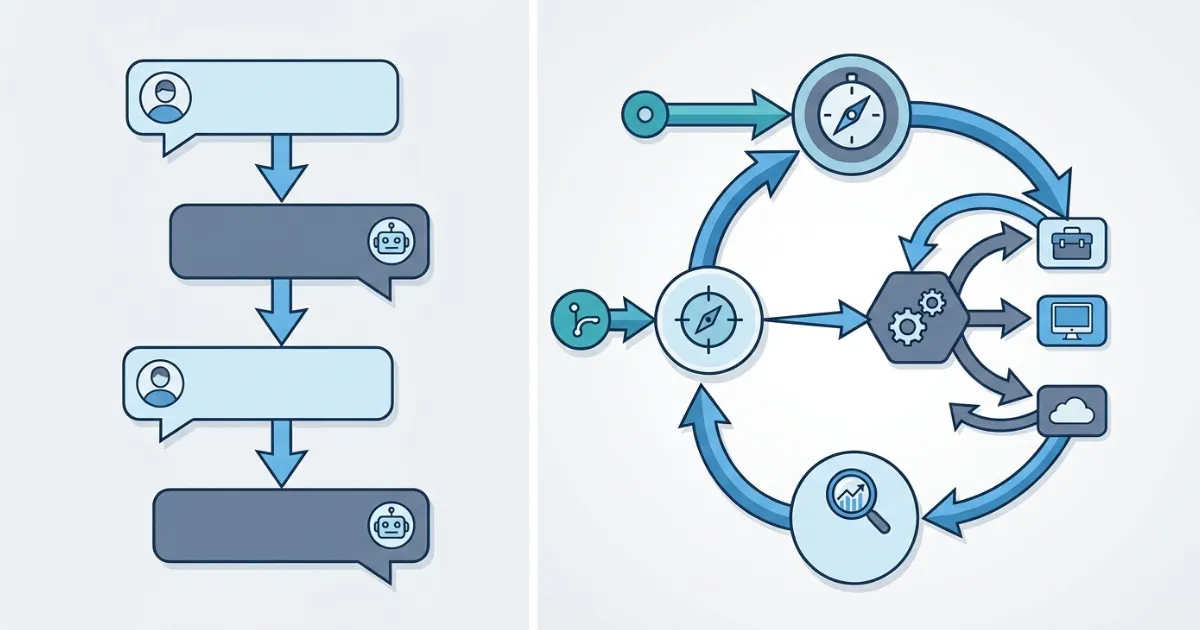
AI agents and chatbots get sold as the same thing, and that's costing companies money before they've deployed anything. A chatbot matches what you type to a pre-written answer and [...]

Best ransomware protection for small business starts with four controls: multi-factor authentication, offline backups, endpoint protection with rollback, and a patching schedule that closes the gaps attackers scan for automatically. [...]

Generative AI tools for content creation now range from a general chatbot that drafts an email in ten seconds to a specialized platform that holds a brand's tone across a [...]

AI personalized learning in K-12 EdTech means software that changes what a student sees next based on how they just answered, not a fixed chapter everyone works through at the [...]