
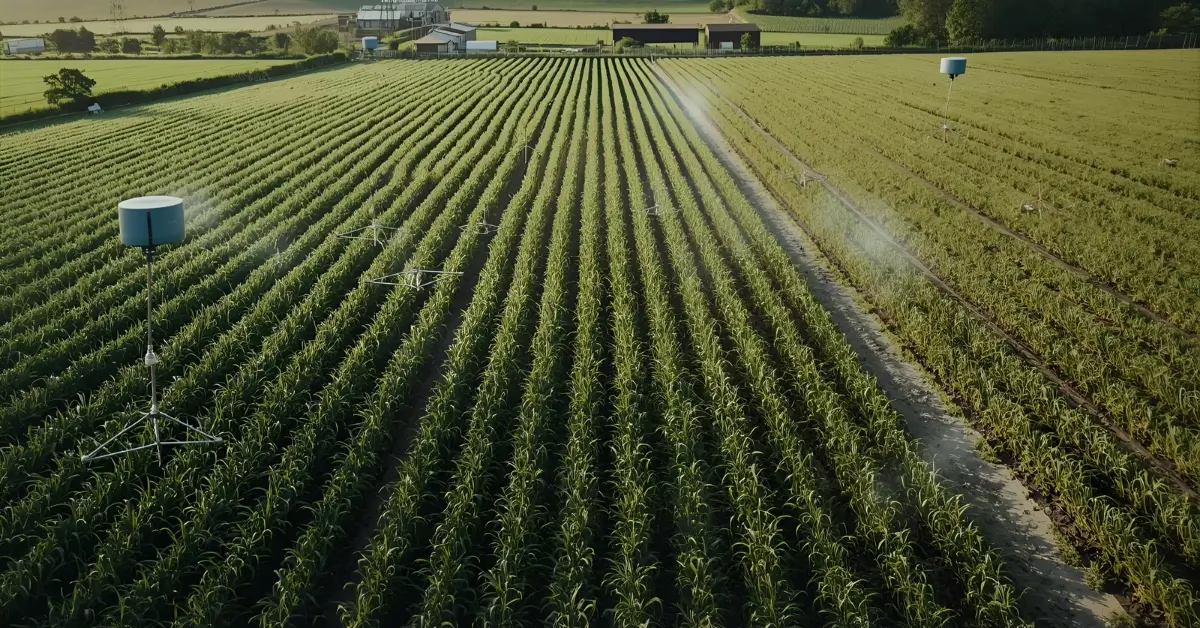
Pest control technology for modern farming has changed the way growers protect their crops. New tools use sensors, smart systems, and gentle methods that help reduce loss without harming soil or people. This guide explains how these tools work, the benefits they bring, and the right way to use them in real fields. If you want safer farms, better yields, and strong protection from pests, this clear and complete guide will help you make the right choice.
Pest Control Technology for Modern Farming
What Farmers Need Today
Modern farms face fast-changing climate conditions, new insects, and stronger diseases. Many fields also have less healthy soil. Traditional chemicals give quick results but they can hurt the soil and water. Farmers want tools that are safe, simple, and effective. This is the reason modern pest control technology matters.
Why Old Methods Are Not Enough
Many farms depended on strong chemicals for many years. Over time, insects became resistant. Soil health went down. Water became polluted. Workers also faced safety risks. These problems forced farmers to look for better options. They needed tools that protect crops and also protect the land.
What Modern Technology Offers
Modern pest control tools do more than kill insects. They track pest activity, measure field conditions, and give alerts. Many tools prevent pests before they spread. This keeps farms safe and reduces loss. You also save money because you use less chemical spray.
Smart Tools in Pest Control Technology for Modern Farming
Sensor Based Pest Monitoring
Sensors are small devices placed in fields. They measure temperature, humidity, soil moisture, and insect movement. When something changes in the field, the sensor sends an alert to the farmer’s phone.
How this helps
• You can act early
• You avoid full field spray
• You save money
• You protect the environment
Remote Insect Traps with Cameras
These traps have small cameras inside. They capture images of insects. Artificial intelligence software reads the image and tells you what type of insect entered the trap. This makes tracking easy.
Benefits
• Accurate pest identification
• Daily monitoring without walking through the field
• Fast action when pest numbers rise
Drone Based Farm Scanning
Drones fly over the field and capture clear images. They use special cameras to detect stress in plants before your eyes can notice it. Drones help you scan large areas in minutes.
What drones detect
• Early disease in leaves
• Dry areas
• Pest clusters
• Mouse or bird movement
Ultra Sonic Pest Repellers
These devices create calm, high frequency sound waves that push rodents away. They work well near crop storage rooms and barns.
Why farmers use them
• Simple installation
• No chemicals
• Safe for soil and plants
LED Pest Control Lights
Some insects react strongly to specific light colors. LED systems use this behavior to trap or repel insects.
Common uses
• At night to reduce moth attacks
• Near vegetable crops
• In greenhouses
Biological Pest Control Methods
Natural Predators
Many modern farms use friendly insects to control harmful ones. Ladybirds eat aphids. Lacewings eat soft body insects. Parasitic wasps control caterpillar eggs.
Benefits
• No chemicals
• Long lasting control
• Safe for children and workers
Microbial Sprays
These are sprays made from natural bacteria or fungi. They target specific pests and dissolve after use. One common example is Bacillus thuringiensis which targets caterpillars.
Plant Extract Formulas
Neem, garlic, and chili extracts work well against many insects. They are safe when used the right way.
Digital Farm Management Systems
Field Data Platforms
These platforms collect data from sensors, traps, and drones. They show everything in one screen. You can check pest levels, weather, soil, and crop condition.
Automated Decision Systems
These systems analyze daily data and suggest the best action. They tell you when to spray, when to irrigate, and when to add natural predators.
Precision Spray Machines
How Precision Sprayers Work
Precision sprayers use cameras and artificial intelligence to spray only the infected parts of a plant. This reduces chemical use by almost half. It is safe, clean, and smart.
Good for the Environment
Since less spray touches the soil, earthworms and natural bacteria stay healthy. This helps soil stay rich for future crops.
Soil Friendly Pest Control Technology for Modern Farming
Soil Sensors
Soil sensors detect harmful nematodes or fungi early. Early detection saves entire crop rows from damage.
Organic Soil Boosters
These products add friendly microbes to the soil. They fight harmful organisms and improve soil health.
Robot Based Pest Control
Field Robots
Some robots move inside fields, scan plants, and remove infected leaves. Others spray only tiny parts of plants.
Storage Room Robots
These robots monitor grain rooms, reduce rodent activity, and watch temperature changes.
Internet Connected Pest Control
Smart Alerts
Apps send alerts when pest numbers rise. Alerts include pictures, farm location, and type of insect.
Weather Linked Control
Weather plays a huge role in pest activity. Modern systems use weather data to predict the next pest attack.
How to Choose the Right Pest Control Technology for Modern Farming
Check Your Crop Type
Some crops need more monitoring. Others need natural predators. Choose tools that fit your crop.
Check Your Budget
Start with sensors and a good insect trap system. Later, add drones or robots.
Check Field Size
Large fields need drones and sensor networks. Small fields need two or three smart traps.
Benefits of Pest Control Technology for Modern Farming
• Better yield
• Less chemical use
• Cleaner soil and water
• Safer workers
• Early pest detection
• Lower cost in the long term
People Also Ask
How does smart pest control help farmers
Smart pest control helps farmers detect pests early. It reduces chemical use and saves money. It also protects the soil.
What is the safest pest control method for farms
Biological control is usually safe. It uses friendly insects and natural sprays. These cause less harm.
How do drones help in pest control
Drones scan large fields fast. They find disease in leaves, spot pest clusters, and guide precision spray work.
FAQs
What is the best pest control technology for modern farming
The best option depends on the farm size. Most farms start with sensor based traps, drones, and natural predators for clean and steady protection.
Are sensor systems expensive
Prices have become lower. Basic sensor kits are now affordable for small farms.
Can I use these tools with chemical sprays
Yes. Modern tools help you reduce chemical use. They guide you to spray only the parts where pests are active.
Do drones replace manual scouting
They reduce the need for walking through every crop row. Farmers still check the field, but drones save hours of work.
Are natural predators safe for workers
Yes. Natural predators do not harm people. They only target harmful pests.


KEEP READING
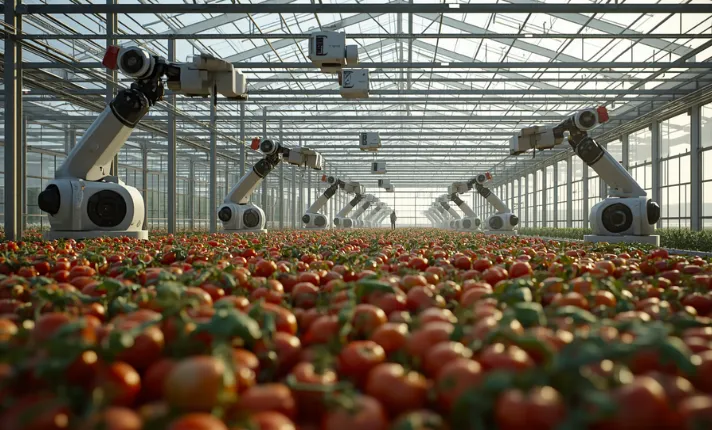
Robotics technology for automated harvesting is changing commercial farming faster than most growers expected. AI vision systems, robotic arms, autonomous tractors, and crop-scanning sensors now handle harvesting tasks that once [...]
Functional foods market growth in Asia‑Pacific is surging as health‑conscious consumers seek products that deliver added nutritional benefits beyond basic sustenance. From immunity‑boosting beverages in China to fortified snacks in [...]
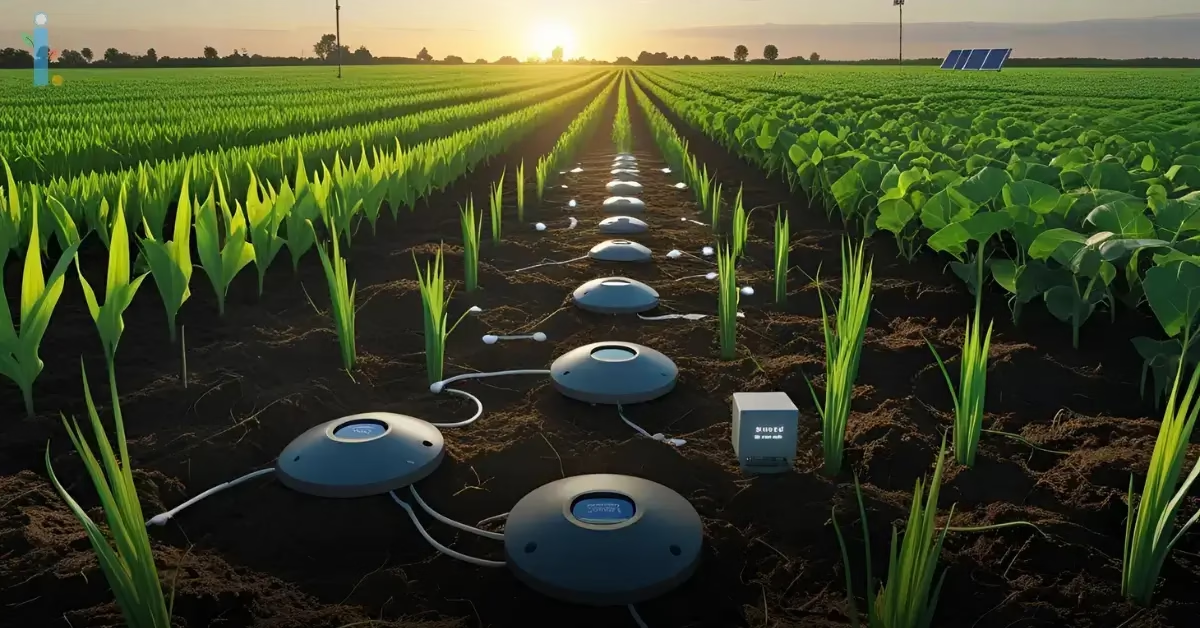
Healthy soil is the foundation of productive agriculture. From nutrient cycling to water retention, soil health dictates crop vigor and yield. In recent years, soil health monitoring sensor technology has [...]
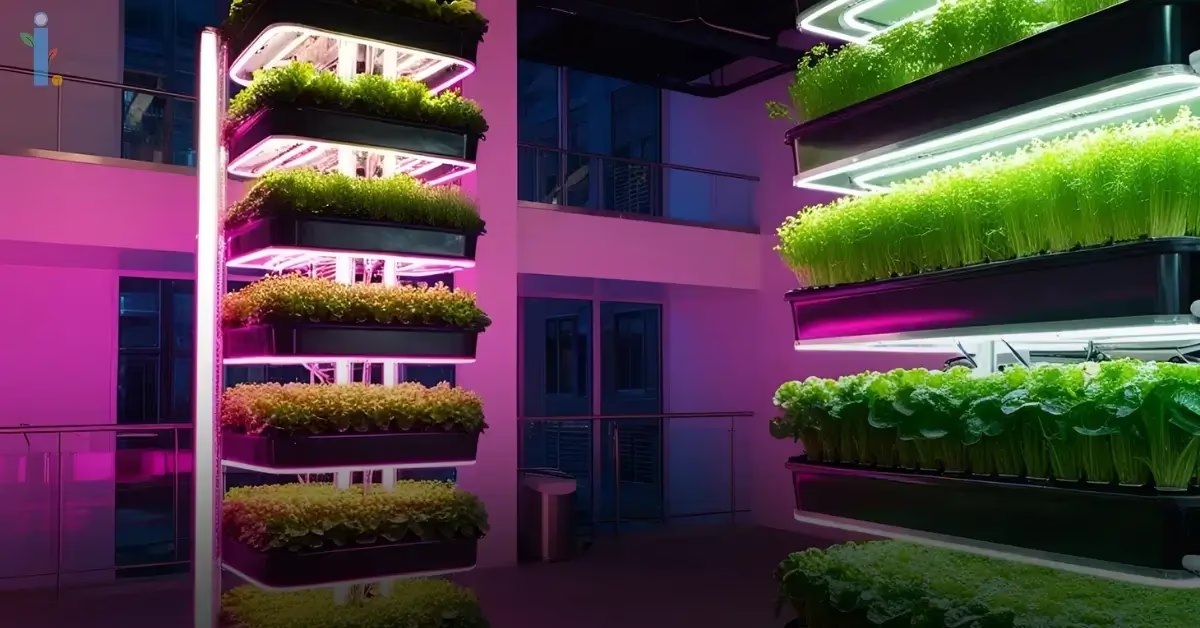
Imagine a world where skyscrapers aren’t just for people—they’re for plants. By 2025, vertical farming will produce 30% of urban leafy greens, slashing water use by 95% compared to traditional farms. This [...]