Table of Contents
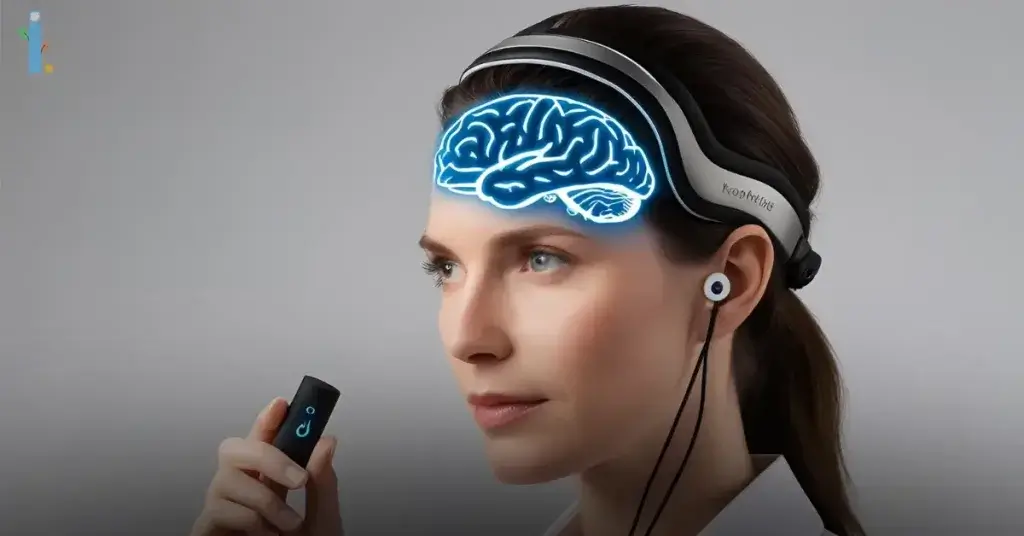
Wearable neurotechnology devices for brain activity are lightweight, non-invasive tools—like EEG headbands or neurostimulation caps—that monitor or modulate brain function in real time. These smart wearables use sensors to detect brainwaves or deliver gentle electrical currents, helping users improve focus, reduce stress, enhance sleep, or support mental health. Paired with mobile apps, they offer real-time feedback and personalized insights outside clinical settings.
The Problem: Monitoring the Brain Outside the Lab
Limitations of Traditional Brain Scans and Lab EEGs
-
Bulky, expensive MRI/fMRI and clinical EEG setups can’t track daily brain function
-
No real-time feedback; people lack insight into their own neural states.
Demand for Real-Time Brain Data (Agitation)
-
Consumers and clinicians want portable brain-wave feedback for focus, wellness or therapy.
-
Mental health and performance issues (stress, insomnia, ADHD) are rising, creating need for accessible solutions.
The Answer: Wearable Neurotechnology Devices
What Are Wearable Neurotechnology Devices for Brain Activity?
-
Definition: Portable gadgets (headbands, caps, earbuds) that noninvasively monitor or stimulate brain waves. For example, EEG headsets record neural signals and tDCS headbands deliver mild electrical stimulation.
-
Technologies: EEG (electrical), fNIRS (blood flow), tDCS/tACS (stimulation).
-
PAA/Featured Snippet: What is a wearable neurotech device? – A concise answer listing EEG headband, neurostimulator, etc. (Snippet: “Wearable neurotech devices are lightweight headsets or caps using EEG or similar sensors to track brain activity in real time.”).
How Wearable Brain Devices Work
-
Sensors & Signals: Dry electrodes on a headband pick up brainwaves (alpha, beta, etc.) and send data to a paired app.
-
Real-time Feedback: Many devices use neurofeedback loops (like meditation apps) to train focus.
-
Non-Invasive Stimulation: Some devices apply gentle current to modulate neurons (e.g. Flow Neuroscience for depression).
Key Benefits (Solution)
-
Continuous Monitoring: Track brain activity during everyday life (not just a snapshot in lab).
-
User Empowerment: Enables self-regulation (Meditation headbands, focus training) and earlier detection of anomalies (e.g. seizure prediction).
Applications of Wearable Neurotech Devices
Meditation and Focus Enhancement
-
Devices like Muse (EEG headband) provide guided meditation by measuring focus levels. Neurofeedback games teach concentration.
Sleep Improvement and Stress Reduction
-
Headbands (e.g. Dreem) monitor sleep stages. Neurostimulators gently guide brainwaves to aid falling asleep.
-
Biofeedback devices reduce anxiety by giving real-time neural stress signals.
Clinical and Therapeutic Uses
-
ADHD & Learning: Wearable EEG can help train attention in ADHD.
-
Mental Health: tDCS devices aim to ease depression or anxiety (though research is ongoing).
-
Neurological Rehab: Post-stroke or TBI recovery may use EEG feedback to regain function.
Choosing the Right Wearable Neurotechnology Device
Key Features to Consider
-
Accuracy & Validation: Look for medical-grade sensors or published studies supporting the device.
-
Comfort & Wearability: Headband design, battery life, wireless connectivity.
-
Data Privacy: Ensure personal brain data is secure (important concern).
Popular Devices and Comparisons (Solution/Review Section)
-
Examples: Muse, Narbis, Neurosity Crown, and consumer EEG headsets (e.g. NeuroSky). (List these with bullet points under H3 if needed.)
Leading Devices Comparison
-
Muse (EEG meditation headband) – example entry.
-
Narbis (EEG headset for focus) – example entry.
-
Others: listed with one-line pros/cons.
Future Trends and Considerations
Integration with Consumer Tech
-
AR/VR & Brain-Computer Interfaces: Smart glasses or VR headsets may soon include EEG for immersive control.
-
AI and Personalized Neurofeedback: Algorithms learning to adapt stimulation to individual brain patterns.
Privacy, Ethics, and Regulation
-
Data Security: Brainwave data is highly personal.. Regulations (GDPR, FDA) are evolving.
-
Workplace Use: Ethical concerns about “neurosurveillance” – employers using wearables to monitor focus.
Conclusion
Wearable neurotechnology devices offer a new solution to the problem of inaccessible brain monitoring. By combining sensors and smart algorithms, they allow real-time tracking and modulation of brain activity outside the lab. Proper choice of device (comfort, reliability) and attention to privacy will let users benefit from enhanced focus, wellness and health.

Author: iCONIFERz
iCONIFERz is one of the fastest-growing companies of the 21st century, making us one of the most trusted corporations in the world. We facilitate the internet world with daily tech updates, technology news, digital trends, and online business ideas. Our IT-based services are provided by highly skilled, certified professionals.
KEEP READING
Nothing Found