Latest retail technology innovations 2026 are reshaping how stores operate, how customers shop, and how brands survive in a fast moving market. Retail is no longer just shelves and checkout counters. It is now driven by data, automation, artificial intelligence, and smart systems that react in real time. In 2026, retailers face higher customer expectations, tighter margins, and stronger competition from digital first brands. This guide explains the most important retail technology innovations, how they work, and why they matter. You will also learn which technologies deliver real value and which ones retailers should approach carefully.
Understanding the Retail Technology Shift in 2026
Retail has always evolved, but the pace in 2026 is different. Technology is no longer optional. It decides who stays relevant and who fades out.
Why 2026 Is a Turning Point for Retail
Several forces collide in 2026. Customers expect speed, accuracy, and personalization. Labor costs continue to rise. Supply chains remain unpredictable. At the same time, AI and automation tools have matured enough to be practical, not experimental.
Latest retail technology innovations 2026 focus on solving real problems, not showing off features. Retailers now invest in tools that cut waste, reduce friction, and improve customer trust.
How Customer Expectations Are Forcing Tech Adoption
Shoppers want seamless movement between online and physical stores. They want accurate stock information. They want fast checkout. If a store fails in any of these areas, customers switch brands quickly.
Retail technology in 2026 exists to remove these pain points and keep customers loyal.
AI Powered Retail Experiences Take Center Stage
Artificial intelligence is the backbone of most latest retail technology innovations 2026. It touches everything from marketing to inventory.
AI Driven Personalized Shopping Journeys
AI analyzes browsing behavior, purchase history, location, and timing to deliver relevant experiences.
Real Time Product Recommendations
Modern AI engines suggest products while the customer is still browsing. These recommendations adjust instantly based on clicks, time spent, and previous actions. This increases conversion rates without feeling intrusive.
Dynamic Pricing Based on Behavior and Demand
Some retailers now adjust prices based on demand patterns, stock levels, and competitor pricing. In 2026, ethical pricing rules and transparency are critical to avoid customer backlash.
AI Chatbots and Virtual Shopping Assistants
AI assistants answer product questions, suggest alternatives, and guide customers through purchases. Unlike older bots, 2026 models understand intent, context, and follow up questions. This reduces support costs and improves response time.
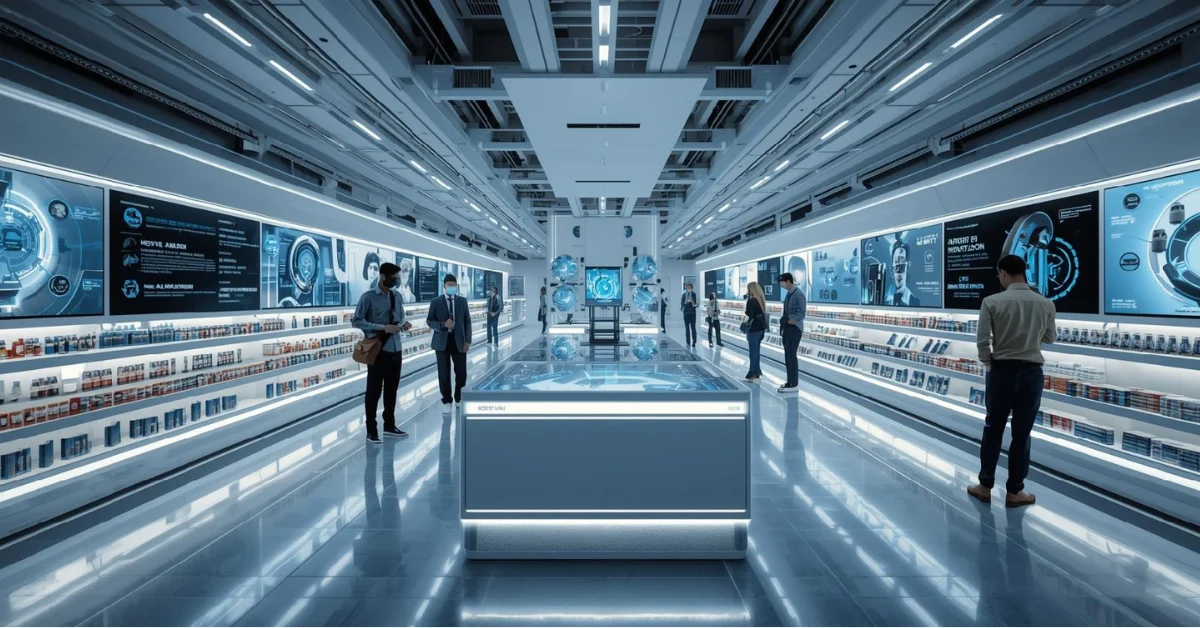
Smart Stores and Checkout Free Shopping
One of the most talked about latest retail technology innovations 2026 is the smart store.
How Computer Vision Enables Cashierless Stores
Computer vision uses cameras and sensors to track items picked from shelves. When a customer leaves the store, the system automatically charges their account.
Sensors, Cameras, and Edge Computing Explained
Cameras identify products, not faces. Shelf sensors confirm item movement. Edge computing processes data locally, reducing delay and improving privacy.
Benefits and Challenges of Checkout Free Retail
Benefits include faster shopping, lower staffing needs, and better data. Challenges include high setup cost, maintenance, and customer education. In 2026, hybrid models are more common than fully cashierless stores.
Retail Automation and Robotics in 2026
Automation helps retailers handle repetitive and time sensitive tasks.
Warehouse and Inventory Robots
Robots now handle picking, sorting, and restocking with high accuracy. They reduce errors and speed up order fulfillment, especially for omnichannel retail.
In Store Service Robots for Customer Support
Some stores use robots to guide customers, check prices, or alert staff. These robots support workers, not replace them.
Cost Reduction vs Human Workforce Balance
Retailers that succeed use automation to remove strain from staff, not eliminate jobs entirely. Training workers to manage and supervise technology improves morale and results.
Advanced POS Systems and Unified Commerce
POS systems in 2026 are no longer simple billing tools.
Cloud Based POS and Omnichannel Sync
Modern POS systems sync online and offline sales, customer profiles, and inventory in real time. This creates a single view of the customer.
Real Time Inventory Visibility Across Channels
Accurate stock data reduces cancellations and improves trust. Customers see what is actually available before placing orders.
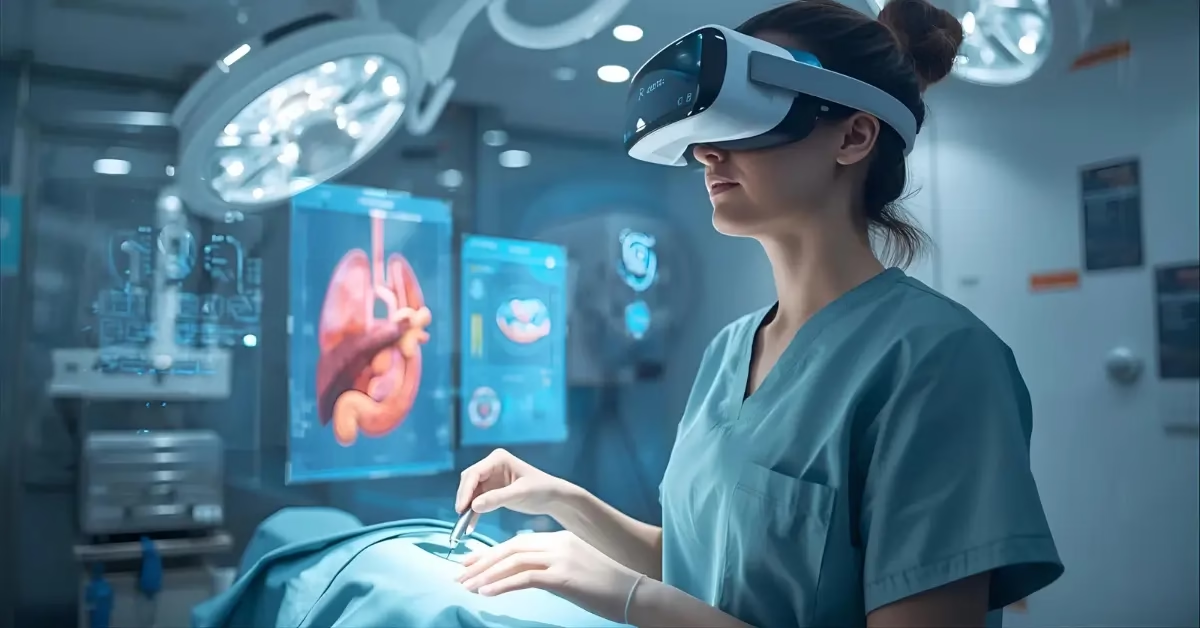
AR and VR Transforming the Shopping Experience
Immersive tech is finally practical in retail.
Augmented Reality Try Before You Buy
AR allows customers to see furniture in their room, glasses on their face, or makeup on their skin. This reduces returns and increases confidence.
Virtual Reality Stores and Product Demos
Some brands offer VR showrooms for high value products. Customers explore items in detail without visiting a physical store.
Smart Shelves and IoT Powered Inventory Management
IoT plays a quiet but critical role in latest retail technology innovations 2026.
How IoT Sensors Track Stock in Real Time
Smart shelves detect product weight and movement. Alerts trigger restocking before shelves go empty.
Reducing Out of Stock and Overstock Problems
Accurate data helps retailers balance supply. This cuts waste and protects revenue.
Retail Data Analytics and Predictive Insights
Data is only useful when it leads to action.
Customer Behavior Tracking Done Right
Ethical data collection focuses on patterns, not personal intrusion. Clear consent builds trust.
Predictive Demand Forecasting in 2026
AI models forecast demand based on weather, events, trends, and history. This helps retailers plan stock and staffing accurately.
Cybersecurity and Data Privacy in Modern Retail
As technology grows, so do risks.
Why Retail Is a Prime Cyber Target
Retail systems store payment data, customer profiles, and supply chain access. This makes them attractive to attackers.
Zero Trust and AI Based Threat Detection
Zero trust security assumes no system is safe by default. AI monitors behavior and flags unusual activity early.
Sustainable Retail Technology Innovations
Sustainability is no longer marketing only.
Energy Efficient Stores and Smart Lighting
Smart systems adjust lighting and cooling based on foot traffic. This reduces energy use and cost.
Green Supply Chain Technologies
Blockchain and tracking tools improve transparency and reduce waste across logistics.
Payment Technology Innovations Shaping Retail
Payment is a critical moment in the customer journey.
Biometric Payments and Digital Wallets
Fingerprint and facial authentication speed up payments while reducing fraud. Wallets replace physical cards for many shoppers.
Buy Now Pay Later Systems Explained
BNPL tools increase conversion but must be used responsibly. Clear terms protect both retailer and customer.
Small Retailers vs Big Brands: Who Benefits More
Technology is no longer exclusive to large chains.
Affordable Retail Tech for Small Businesses
Cloud tools, subscription pricing, and modular systems make adoption easier for small stores.
Enterprise Scale Innovations for Global Chains
Large retailers focus on automation, analytics, and custom AI models to optimize operations at scale.
Challenges Slowing Retail Technology Adoption
Not every innovation succeeds.
High Costs and Integration Issues
Legacy systems can block progress. Careful planning avoids wasted investment.
Staff Training and Change Resistance
Technology fails when people are not prepared. Training is as important as software.
What Retailers Should Prioritize in 2026
Not all trends deserve equal attention.
Technology Investment Roadmap
Start with POS, inventory, and data visibility. Then move to AI and automation.
Avoiding Shiny Tech Without ROI
Every tool should solve a clear problem. If it does not, skip it.
Future Outlook Beyond 2026
Retail will continue to evolve.
Emerging Retail Tech to Watch
Voice commerce, emotion aware AI, and smart packaging are gaining ground.
How AI and Automation Will Redefine Jobs
Jobs will shift toward analysis, oversight, and customer experience roles.
People Also Ask
What is the most important retail technology in 2026
AI driven personalization and inventory intelligence deliver the highest impact.
How is AI changing the retail industry
AI improves forecasting, personalization, pricing, and customer support.
Are cashierless stores profitable
They can be, but hybrid models currently perform better.
FAQs
Is retail technology expensive to implement
Costs vary. Cloud systems reduce upfront spending.
Can small stores use advanced retail technology
Yes. Many tools are built for small businesses.
How secure is customer data in smart stores
Security depends on implementation and governance.
Will robots replace retail workers
Robots support staff, they do not fully replace them.
Which retail technology gives the fastest ROI
Inventory optimization and POS upgrades show quick returns.
Conclusion
Latest retail technology innovations 2026 are not about chasing trends. They are about solving real problems, improving efficiency, and building trust with customers. Retailers who invest wisely, train their teams, and focus on customer value will thrive. Those who ignore change risk falling behind faster than ever.

KEEP READING
Retail cybersecurity technology challenges affect every part of modern retail operations, from point-of-sale terminals and self-checkout kiosks to e-commerce platforms, warehouse systems, mobile apps, and supplier networks. Retailers store large [...]
Top rated CRM tools for small e‑commerce businesses with email integration empower you to centralize customer data, automate campaigns, and nurture leads, all from one platform. In this comprehensive guide, [...]
In today’s hyper-competitive ecommerce landscape, simply listing products isn’t enough. Shoppers expect experiences tailored to their tastes and behaviors, similar to the “you might also like” suggestions you see on [...]
In an era where 85% of consumers demand proof of ethical sourcing, blockchain supply chains are revolutionizing transparency in product sourcing, and businesses that ignore this shift risk extinction. By 2025, [...]