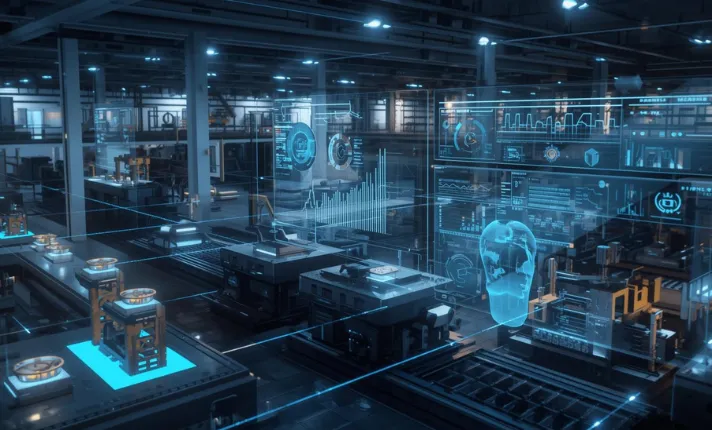

Resilient infrastructure technology developments are transforming how cities, industries, and governments design systems that can survive disruption, cyber threats, and climate events. Traditional infrastructure was built mainly for efficiency, but today reliability and adaptability are just as important. From smart energy grids to AI powered monitoring systems, modern infrastructure is evolving to detect problems early and recover quickly from failures.
What Are Resilient Infrastructure Technology Developments?
Resilient infrastructure technology developments refer to modern systems and digital tools designed to keep infrastructure operating even during disruptions. These disruptions can include cyberattacks, natural disasters, equipment failures, or sudden spikes in demand.
Instead of breaking down completely, resilient systems are designed to:
• Detect threats early
• Continue operating during disruptions
• Recover quickly after failures
• Adapt to changing conditions
These systems combine engineering, digital technology, and real-time data to keep infrastructure stable.
Key Elements of Resilient Infrastructure
Several components define resilient infrastructure technology developments.
Redundancy
Backup systems ensure services continue even if one component fails.
Real-time monitoring
Sensors track performance and detect problems early.
Automation
Artificial intelligence can respond instantly to system changes.
Rapid recovery systems
Infrastructure is designed to restore operations quickly.
Why Resilient Infrastructure Is Critical in 2025 and Beyond
Global infrastructure is under pressure from several major trends.
Rising Cyber Threats
Infrastructure systems like power grids and water networks are now connected to digital networks. This connectivity improves efficiency but also creates security risks.
Cyber attacks on infrastructure have increased globally. According to the World Economic Forum, cyber risks to critical infrastructure remain one of the most significant global threats.
Climate Change and Extreme Weather
Floods, heat waves, and storms are becoming more frequent. Traditional infrastructure often cannot handle these extreme conditions.
Resilient infrastructure technology developments help systems adapt to environmental stress.
Rapid Urbanization
Cities continue to grow rapidly. By 2050, most of the world population will live in urban areas.
Urban infrastructure must handle:
• Increased energy demand
• Heavy transportation loads
• Growing digital connectivity
Resilient technology ensures systems remain stable under this pressure.
Core Technologies Driving Resilient Infrastructure
Several emerging technologies are shaping resilient infrastructure technology developments.
Artificial Intelligence for Predictive Maintenance
Artificial intelligence can analyze equipment data and predict failures before they occur.
For example, AI systems monitor:
• vibration patterns
• temperature changes
• power consumption
If a component begins to behave abnormally, the system alerts engineers before a breakdown occurs.
This reduces downtime and prevents major failures.
Internet of Things Sensor Networks
The Internet of Things connects thousands of sensors across infrastructure systems.
Sensors collect real-time information about:
• bridges
• power lines
• pipelines
• roads
• rail networks
Engineers can monitor infrastructure health remotely and respond faster to problems.
Edge Computing for Real-Time Decisions
Traditional cloud computing sends data to centralized servers. Edge computing processes data closer to where it is generated.
This reduces latency and allows faster responses.
For example:
• traffic systems adjust signals instantly
• power grids reroute electricity automatically
• industrial systems detect faults immediately
Cloud and Hybrid Cloud Infrastructure
Modern infrastructure relies on secure cloud platforms.
Hybrid cloud systems combine:
• local servers
• remote data centers
• edge devices
This distributed architecture improves resilience by avoiding single points of failure.
Cybersecurity as the Backbone of Resilient Infrastructure
Digital infrastructure must be protected from cyber threats.
Cybersecurity is now a core part of resilient infrastructure technology developments.
Zero Trust Security Model
The Zero Trust Architecture assumes that no device or user is automatically trusted.
Every access request must be verified.
This approach protects critical infrastructure systems from internal and external attacks.
Infrastructure Threat Detection Systems
Modern monitoring tools analyze network activity to detect suspicious behavior.
Machine learning can identify unusual patterns such as:
• abnormal data traffic
• unauthorized access attempts
• malware behavior
Early detection prevents large-scale disruptions.
Network Segmentation
Infrastructure networks are divided into secure segments.
If one segment is compromised, the attack cannot spread across the entire system.
Smart Grids and Energy Resilience Technologies
Energy infrastructure is one of the most important areas of resilient infrastructure technology developments.
Smart Power Grids
A Smart Grid uses digital technology to manage electricity flow.
Smart grids can:
• detect outages instantly
• reroute electricity automatically
• integrate renewable energy sources
This reduces power outages and improves energy reliability.
Renewable Energy Integration
Solar and wind energy are growing rapidly.
However, renewable energy production can fluctuate.
Smart infrastructure balances energy supply using advanced forecasting models.
Battery Storage Systems
Large-scale battery storage allows energy systems to store excess electricity.
During peak demand or outages, stored energy can power critical infrastructure.
Transportation Infrastructure Technology Developments
Transportation systems are also evolving rapidly.
Intelligent Traffic Management
Smart traffic systems analyze data from cameras and sensors.
They adjust traffic signals to reduce congestion and improve safety.
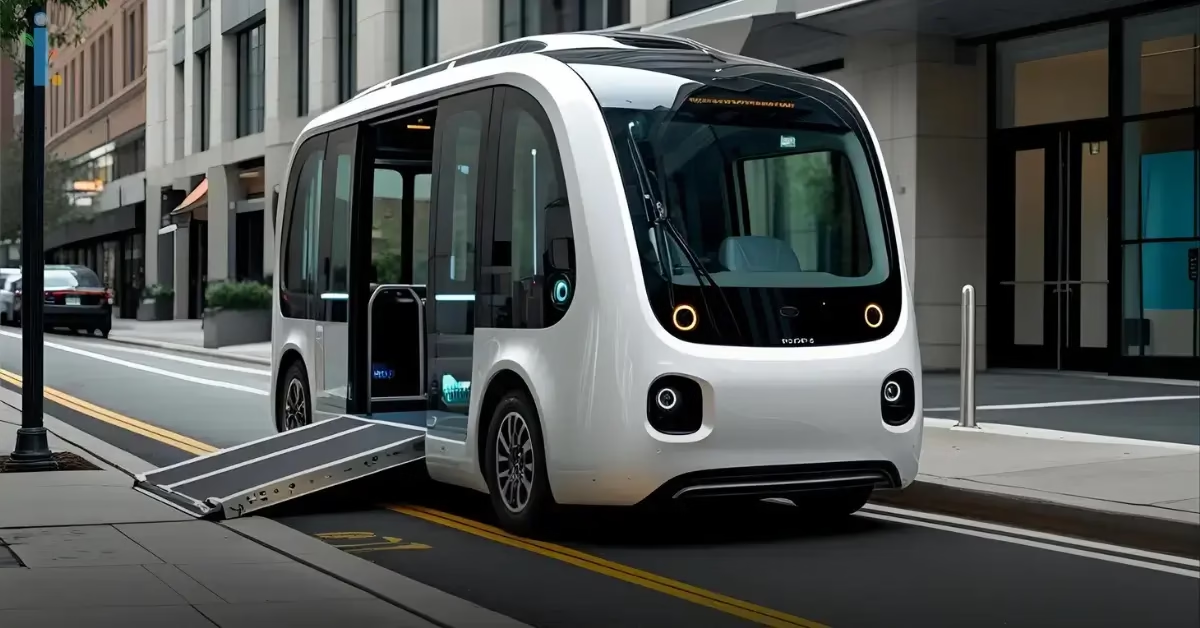
Autonomous Transportation Networks
Autonomous vehicles depend on resilient infrastructure systems.
Sensors, networks, and digital maps must remain reliable to ensure safety.
Resilient Supply Chain Infrastructure
Modern logistics systems rely on digital tracking and predictive analytics.
These technologies help companies respond quickly to supply disruptions.
Water and Environmental Infrastructure Innovations
Water systems face growing challenges due to climate change.
Smart Water Monitoring
Sensors detect leaks, pressure changes, and contamination.
Utilities can fix problems quickly before major water losses occur.
Flood Prediction Technology
Advanced weather models and sensors monitor rainfall and river levels.
Early warning systems allow cities to prepare for flooding.
Climate Adaptive Infrastructure Design
Infrastructure is now designed with climate resilience in mind.
Examples include:
• elevated transportation systems
• flood resistant power stations
• heat resistant road materials
Digital Twin Technology in Infrastructure Management
Digital twins are one of the most powerful resilient infrastructure technology developments.
What Is Digital Twin Technology?
A Digital Twin is a virtual replica of a physical system.
Engineers can simulate how infrastructure behaves under different conditions.
How Digital Twins Improve Resilience
Digital twins allow engineers to test scenarios such as:
• extreme weather
• equipment failures
• traffic surges
This helps planners design infrastructure that performs well during real-world disruptions.
Real World Applications
Digital twin technology is now used in:
• smart cities
• transportation networks
• manufacturing plants
• energy grids
Data Analytics and Predictive Infrastructure Maintenance
Data analytics helps organizations make smarter infrastructure decisions.
Predictive Maintenance
Instead of waiting for equipment to fail, predictive systems analyze data patterns.
Maintenance teams can repair equipment before it breaks.
Infrastructure Failure Forecasting
Machine learning models can estimate the probability of infrastructure failure.
This allows governments to prioritize repairs and upgrades.
Asset Management Optimization
Large infrastructure networks include thousands of assets.
Analytics platforms track performance and identify which components require attention.
Role of 5G and Next Generation Networks
Connectivity is essential for resilient infrastructure.
Ultra Low Latency Communication
The 5G provides extremely fast data transmission.
This enables real-time communication between sensors, devices, and control systems.
Smart City Connectivity
5G networks support millions of connected devices.
This allows cities to deploy large-scale sensor networks.
Infrastructure Monitoring Through Connected Devices
Connected devices can track infrastructure health continuously.
Data collected from these devices improves decision-making.
Real World Examples of Resilient Infrastructure Technology Developments
Around the world, cities and governments are investing in resilient infrastructure.
Examples include:
• Smart energy grids in advanced urban areas
• Flood monitoring systems protecting coastal cities
• AI-driven traffic systems are reducing congestion
Organizations like the International Energy Agency emphasize that resilient energy infrastructure is essential for global stability.
Benefits of Investing in Resilient Infrastructure Technologies
Resilient infrastructure technology developments deliver several major benefits.
Economic Stability
Infrastructure disruptions can cause billions in economic losses.
Resilient systems reduce downtime and protect economic activity.
Disaster Risk Reduction
Early detection and rapid response systems reduce damage during disasters.
Long-Term Cost Savings
Although initial investments may be high, resilient infrastructure reduces maintenance costs over time.
Challenges in Implementing Resilient Infrastructure
Despite its benefits, resilient infrastructure development faces several obstacles.
High Initial Investment
Smart sensors, digital networks, and AI platforms require significant funding.
Technology Integration
Many countries still operate legacy infrastructure systems.
Integrating new technology with old systems can be complex.
Cybersecurity Risks
As infrastructure becomes more digital, it also becomes a target for cyber attacks.
Strong security frameworks are essential.
Future Trends in Resilient Infrastructure Technology Developments
Infrastructure technology continues to evolve rapidly.
Future trends include:
Autonomous Infrastructure Systems
AI systems may manage infrastructure networks automatically.
Climate Adaptive Smart Cities
Cities will integrate climate data into urban planning.
Infrastructure will adjust dynamically to environmental changes.
Sustainable Infrastructure Technology
Sustainability will remain a key focus.
Green materials, renewable energy, and efficient systems will shape future infrastructure.
People Also Ask
What is resilient infrastructure technology?
Resilient infrastructure technology refers to systems designed to withstand disruptions, adapt to changing conditions, and recover quickly from failures using digital tools, sensors, and predictive analytics.
Why is resilient infrastructure important for smart cities?
Smart cities rely heavily on digital networks and connected systems. Resilient infrastructure ensures these systems continue operating during cyber attacks, natural disasters, or equipment failures.
How does AI improve infrastructure resilience?
Artificial intelligence analyzes infrastructure data to detect potential failures early. This allows maintenance teams to fix issues before they cause system breakdowns.
FAQs
What industries rely most on resilient infrastructure technology developments?
Industries such as energy, transportation, telecommunications, water utilities, and manufacturing rely heavily on resilient infrastructure systems.
How do smart sensors improve infrastructure reliability?
Smart sensors continuously monitor infrastructure conditions and send alerts when abnormalities occur. This allows faster maintenance and reduces the risk of major failures.
What role does cybersecurity play in infrastructure resilience?
Cybersecurity protects digital infrastructure systems from hacking, malware, and unauthorized access. Without strong security, infrastructure systems could be disrupted.
Can resilient infrastructure reduce disaster damage?
Yes. Early warning systems, smart monitoring, and adaptive infrastructure design help reduce damage during natural disasters such as floods, storms, and earthquakes.
What are the most important resilient infrastructure technology developments today?
Key developments include AI-driven predictive maintenance, smart grids, digital twin technology, IoT sensor networks, and advanced 5G communication systems.
Conclusion
Resilient infrastructure technology developments are becoming essential as the world grows more connected and complex. Modern infrastructure must do more than deliver services. It must adapt, detect threats, and recover quickly from disruptions. Technologies like artificial intelligence, smart sensors, digital twins, and advanced networks are making this possible. As cities expand and climate risks increase, resilient infrastructure will play a central role in building safer, smarter, and more reliable systems for the future.

KEEP READING

How to build an AI governance framework comes down to four written decisions for every AI system: who owns it, which risk tier it sits in, what approval it needs, [...]

AI Agents vs. Chatbots: Avoid the Costly Mismatch AI agents vs. chatbots comes down to who chooses the next step. A chatbot returns one reply per input. An AI agent [...]

Cloud security best practices come down to eight controls: know what you own, lock down identities, and encrypt with your own keys. Then catch misconfigurations early, log everything, segment networks, [...]

Small language models (SLMs) are AI text models with roughly 1 million to 10 billion parameters, according to Hugging Face's 2025 overview, small enough to run on a phone, a [...]

AI ethics and bias mitigation mean defining fair outcomes, testing for gaps, and fixing them across the three stages in NIST's 2022 SP 1270. Those stages are pre-design, design and [...]