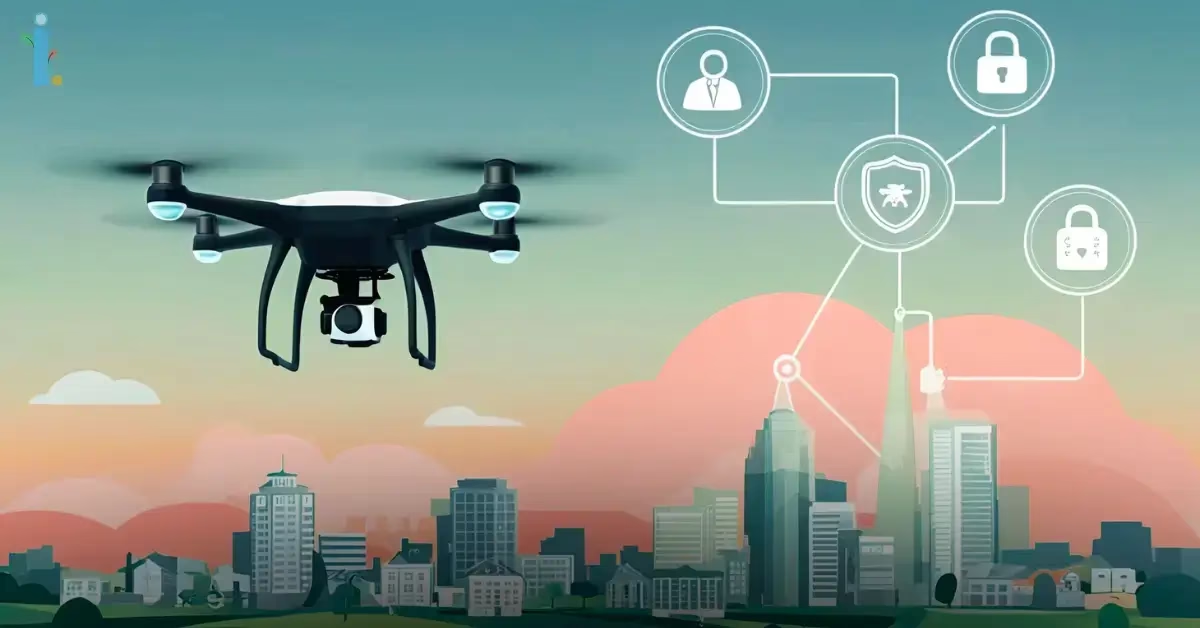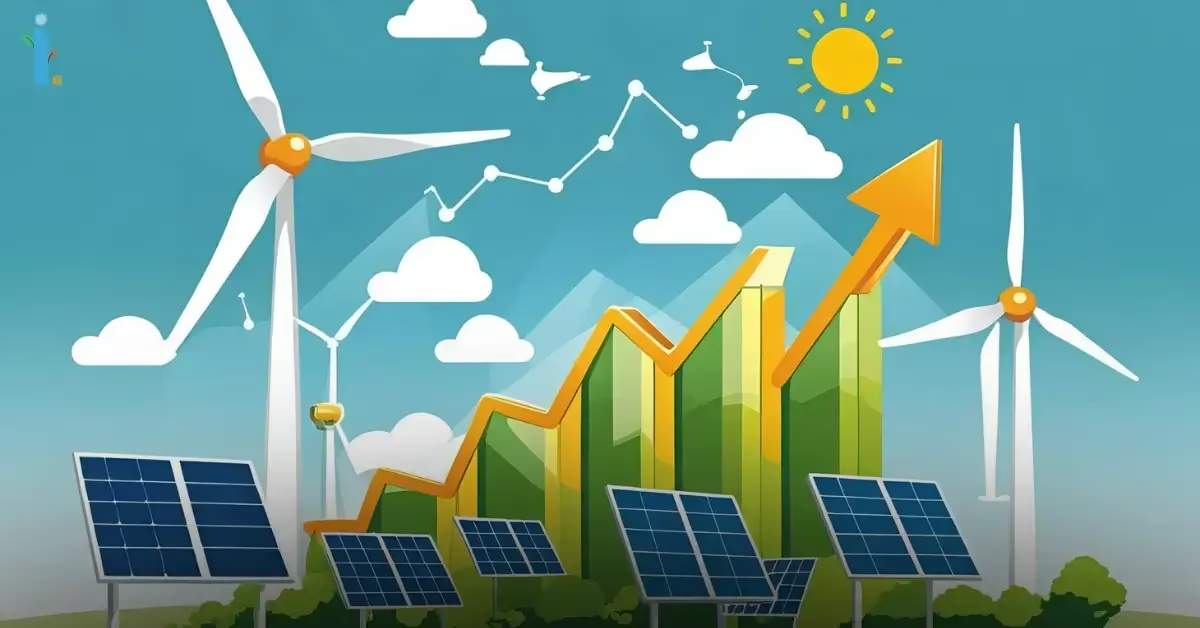

IoT technologies in 2026 for optimizing energy distribution are changing how electricity is produced, managed, and delivered. As energy demand rises and renewable sources grow, old grid systems can no longer keep up. Power losses, outages, and unstable supply remain common problems. In 2026, IoT is no longer just about monitoring meters. It actively predicts demand, balances loads, and fixes faults before failures spread.
Understanding Energy Distribution Challenges in 2026
Rising global energy demand and grid pressure
Cities are growing fast. Electric vehicles, data centers, and smart homes all increase electricity demand. Traditional grids were not designed for this level of load or complexity. As a result, utilities struggle to maintain stable supply during peak hours.
Energy losses, outages, and inefficiencies
A large amount of electricity is still lost during transmission and distribution. Old transformers, poor monitoring, and delayed fault detection cause waste and blackouts. Even short outages can cost industries millions.
Why older smart grid models fall short
Early smart grids focused on digital meters and basic automation. They collect data but react slowly. In 2026, energy systems need faster decisions, local control, and predictive actions. This is where advanced IoT becomes critical.
What Makes IoT Essential for Energy Distribution in 2026
From monitoring to intelligent decision making
Earlier IoT systems only showed what was happening. Modern IoT analyzes patterns, predicts outcomes, and triggers actions automatically. This shift turns raw data into real value.
Importance of real-time energy data
IoT sensors report voltage, frequency, load, and temperature in real time. Utilities no longer wait for manual reports. They see issues as they form and respond instantly.
Supporting decentralized and renewable energy
Solar panels, wind farms, and home batteries send power back to the grid. IoT helps manage this two-way flow safely and efficiently, something traditional grids cannot handle well.
Core IoT Technologies Driving Energy Optimization in 2026
Advanced smart sensors and edge devices
Self-calibrating voltage and load sensors
Modern sensors adjust themselves automatically. They remain accurate even under harsh weather or heavy load. This improves data quality and trust.
Predictive fault detection sensors
These sensors detect heat, vibration, or abnormal current before equipment fails. Early warnings prevent outages and costly repairs.
Edge computing for faster decisions
Reducing latency in load balancing
Edge devices process data close to the source. Instead of sending everything to the cloud, they make local decisions in milliseconds.
Local control during outages
If communication with the control center fails, edge systems keep critical areas running. Hospitals and emergency services stay powered.
AI powered IoT analytics platforms
Demand forecasting with machine learning
AI models study past usage, weather, and events. They predict demand hours or days ahead, allowing better planning.
Automated load redistribution
When demand spikes, IoT systems shift loads automatically. This prevents overloads without human intervention.
Smart Grids 2.0
Real-time load balancing across regions
IoT allows utilities to shift power between areas instantly. Excess energy in one zone supports another facing high demand.
Dynamic pricing and demand response
Prices adjust based on real-time demand. Consumers receive signals to reduce usage during peak times. This lowers strain on the grid.
Self-healing grids and automated recovery
When a fault occurs, IoT systems isolate the problem and reroute power. Outages shrink from hours to minutes.
IoT and Renewable Energy Integration in 2026
Managing solar and wind variability
Renewables depend on the weather. IoT forecasts output and balances supply using storage or alternative sources.
IoT controlled microgrids and storage
Microgrids operate independently or with the main grid. IoT manages batteries and local generation for stability.
Peer-to-peer energy distribution
Homes with solar panels can sell excess energy locally. IoT tracks production, usage, and billing accurately.
Security and Trust in IoT Based Energy Systems
Cyber risks in connected grids
More devices mean more entry points for attacks. Energy infrastructure is a high value target.
Zero-trust security for IoT energy networks
Every device must verify itself continuously. Access is limited and monitored at all times.
Blockchain for data integrity
Blockchain ensures energy data cannot be altered. It builds trust between producers, utilities, and consumers.
Real World Use Cases of IoT in Energy Distribution
Smart cities and public grids
Cities use IoT to control street lighting, traffic signals, and public buildings. Energy use drops without affecting services.
Industrial energy optimization
Factories use IoT to monitor machines and schedule heavy tasks during low demand periods. This cuts costs and downtime.
Rural and remote energy systems
IoT enables solar powered microgrids in remote areas. Communities gain reliable power without large infrastructure.
Benefits of IoT Technologies in 2026 for Optimizing Energy Distribution
Lower energy loss and operating cost
Precise monitoring reduces waste. Predictive maintenance avoids expensive failures.
Better reliability and fewer outages
Self healing systems restore power quickly. Customers experience fewer disruptions.
More control for consumers
Smart apps show usage in real time. Users adjust habits and reduce bills.
Limitations and Practical Challenges
High initial investment
Sensors, networks, and software require capital. Long-term savings often justify the cost.
Data overload and compatibility issues
Different vendors use different standards. Integration remains a challenge.
Regulatory and policy barriers
Some regions lack clear rules for data sharing and pricing models.
Future Trends Beyond 2026
Autonomous energy grids
Grids will operate with minimal human input, guided by AI and IoT.
Digital twins of power infrastructure
Virtual replicas help test changes safely before real deployment.
Integration with EV charging networks
IoT balances charging demand and prevents overloads as EV adoption grows.
How Energy Companies Can Prepare
Key technology investments
Focus on sensors, edge computing, and secure networks.
Workforce and data readiness
Staff must understand data analytics and cybersecurity.
Choosing the right partners
Work with experienced IoT and energy solution providers.
People Also Ask
How does IoT reduce energy loss in power grids
IoT detects inefficiencies early, balances loads, and prevents equipment failure.
Is IoT safe for national energy systems
Yes, when combined with strong cybersecurity and continuous monitoring.
What role does AI play in IoT energy distribution
AI predicts demand, automates decisions, and improves grid stability.
FAQs
How expensive is IoT for energy distribution
Costs vary, but savings from reduced losses often offset investment within a few years.
Can IoT work with existing grids
Yes. Most systems are designed to integrate with current infrastructure.
Which countries lead in IoT energy systems
The United States, Germany, China, and Japan are leading adopters.
How does IoT support renewable stability
It forecasts output and manages storage to smooth fluctuations.
What skills are needed to manage IoT grids
Data analysis, networking, and cybersecurity skills are essential.
Conclusion
IoT technologies in 2026 for optimizing energy distribution are no longer optional. They are essential for reliable, efficient, and sustainable power systems. By combining smart sensors, edge computing, AI, and strong security, utilities can meet growing demand while reducing waste and costs. The future grid is intelligent, responsive, and built on IoT.

KEEP READING
Alternative fuels for vehicles pros and cons of biodiesel vs electric is no longer a niche debate. Diesel fleets are under pressure to cut emissions. EV adoption keeps growing. Fuel [...]
Smart grid integration challenges for intermittent renewable energy sources are redefining the future of electricity infrastructure. As solar and wind power surge globally, grid operators face hurdles like unpredictability, balancing [...]
The rapid growth of solar and wind power—now accounting for over 15% of global electricity—underscores the urgency of reliable buffering systems. Energy storage technology for renewable sources transforms intermittent generation [...]
Smart Grids: AI‑optimized energy distribution are at the heart of the modern energy revolution. They bring together data from sensors, smart meters, and weather forecasts. The network learns and adapts [...]