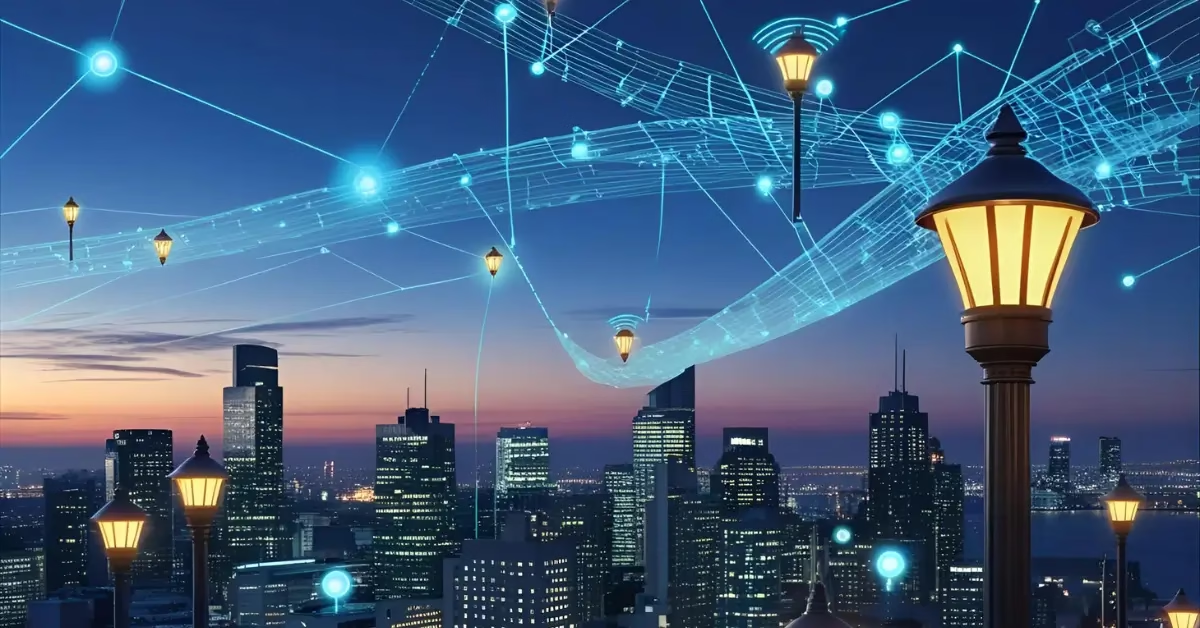
Tornadoes are among the most dangerous and unpredictable natural disasters, causing widespread destruction and loss of life. However, technology has revolutionized the way we predict, track, and respond to tornadoes and other severe weather events. In this article, we will explore how did technology help in Tornado and Severe Weather situations.
Tornado Warning Systems
One of the most significant ways technology helps in tornado situations is through advanced radar systems that can detect rotation in the atmosphere and identify areas of potential tornado activity. This information is used to issue tornado warnings to the public through various channels, such as emergency alerts on smartphones, television, and radio. In addition, specialized software is used to analyze weather data and predict the likelihood of tornadoes and other severe weather events.
Communication
During tornado emergencies, communication is critical for public safety. Technology can help people communicate and stay informed about the storm. Social media platforms, such as Twitter and Facebook, can be used to share information and updates about the storm and provide emergency contacts. In addition, emergency response teams can use advanced communication tools, such as satellite phones and radio systems, to coordinate their efforts and respond more efficiently.
Rescue and Recovery
Technology can also aid in rescue and recovery efforts following a tornado. Drones can be used to survey damaged areas and search for survivors. Emergency responders can use specialized equipment, such as thermal imaging cameras, to locate people trapped in rubble or debris. Additionally, advanced medical equipment and telemedicine technology can help provide medical assistance to those affected by the storm.
Building Design
Technology also plays a critical role in building design and construction. Advanced building materials and construction techniques can help make buildings more resistant to tornado damage, potentially saving lives and minimizing damage. For example, tornado-resistant building designs can include reinforced walls, roofs, and foundations, as well as impact-resistant windows and doors.
Conclusion
In conclusion, technology has transformed the way we predict, track, and respond to tornadoes and other severe weather events. Through advanced radar systems, communication tools, rescue and recovery equipment, and building design techniques, technology is helping us to minimize the impact of tornadoes and keep people safe. As technology continues to evolve, we can expect to see even more innovative solutions for dealing with severe weather events.

Author: Ahmed UA.
With over 13 years of experience in the Tech Industry, I have become a trusted voice in Technology News. As a seasoned tech journalist, I have covered a wide range of topics, from cutting-edge gadgets to industry trends. My work has been featured in top tech publications such as TechCrunch, Digital Trends, and Wired. Follow Website, Facebook & LinkedIn.
KEEP READING
Ecosystem innovations in blockchain and Web3 are changing how digital systems work. Instead of isolated platforms controlled by one company, Web3 builds connected networks where users, developers, and businesses interact [...]
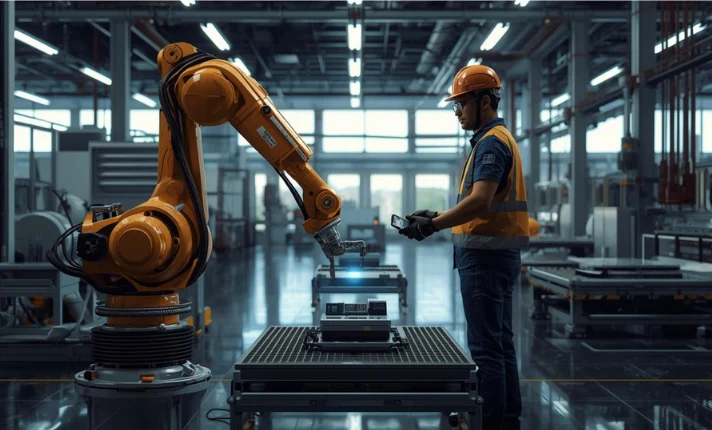
Human robot interaction challenges and solutions for seamless collaboration are becoming central to modern automation. As robots move out of isolated cages and into shared human spaces, the focus has [...]
Quantum error correction methods explained in plain language, that is exactly what you will get here. Quantum computers are powerful, but they are also extremely fragile. Tiny changes in temperature, [...]
Latest retail technology innovations 2026 are reshaping how stores operate, how customers shop, and how brands survive in a fast moving market. Retail is no longer just shelves and checkout [...]

IoT technologies in 2026 for optimizing energy distribution are changing how electricity is produced, managed, and delivered. As energy demand rises and renewable sources grow, old grid systems can no [...]